

1. Increased Water Costs:
Industries often require large amounts of water for various processes, and relying solely on municipal or external water sources can result in high costs.
Implementing rainwater harvesting can reduce dependence on expensive external water supplies, leading to cost savings.
2. Water Scarcity Impact:
Industries located in regions with water scarcity may face operational disruptions due to inadequate water supply.
Rainwater harvesting provides a sustainable alternative, helping industries maintain a consistent water supply even in waterstressed areas.
3. Sustainable Resource Management:
Industries play a crucial role in sustainable resource management. Implementing rainwater harvesting aligns with responsible water use practices, reducing the environmental impact of water extraction.
4. Environmental Compliance:
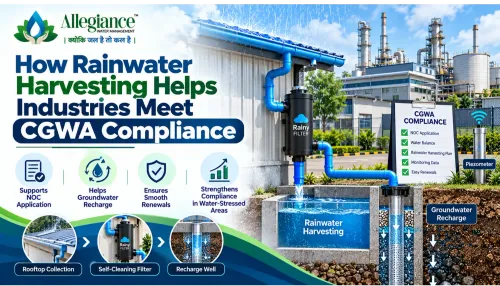
In many regions, environmental regulations require industries to adopt sustainable practices, including water conservation measures.
Failure to implement rainwater harvesting may lead to noncompliance with environmental standards, resulting in legal and reputational consequences.
5. Corporate Social Responsibility (CSR):
Many industries are increasingly focusing on CSR initiatives, including sustainable water management practices.
Implementing rainwater harvesting not only benefits the industry but also contributes to positive corporate image and social responsibility.
6. Operational Resilience:
Depending solely on external water sources makes industries vulnerable to disruptions caused by water shortages, droughts, or other environmental factors.
Rainwater harvesting enhances operational resilience by providing a supplementary and reliable water source during periods of scarcity.
7. Reduced Environmental Impact:
Extracting water from natural sources can have environmental consequences, such as habitat disruption and ecosystem degradation.
Rainwater harvesting minimizes the impact on local ecosystems, supporting biodiversity and promoting sustainable industrial practices.
8. Community Relations:
Industries that actively engage in sustainable practices, including rainwater harvesting, often enjoy better relations with local communities.
Involving the community in water conservation efforts can build positive relationships and contribute to a more sustainable industrial operation.
In summary, not implementing rainwater harvesting in the industrial sector can lead to increased costs, operational vulnerabilities, environmental impact, and potential legal issues. Embracing rainwater harvesting is a proactive measure that aligns with sustainable business practices and helps industries address various challenges related to water management.