

Rain Water Harvesting
Rainwater harvesting is a crucial practice that addresses water scarcity and promotes sustainability.
Let’s explore its importance:
Water Crisis and Scarcity:
Global climate changes, population growth, and industrialization have led to water scarcity in many countries.
Falling water levels and pollution of rivers and lakes exacerbate the crisis.
Coastal areas face salinity imbalances due to water depletion.
Rainwater Harvesting as a Solution:
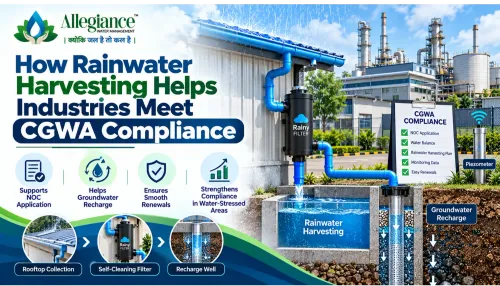
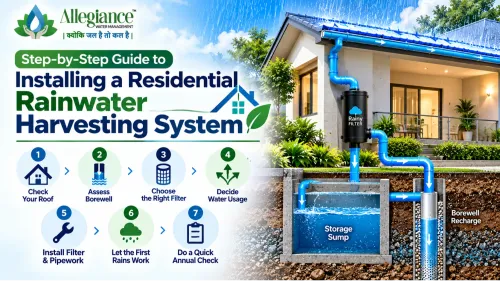
Rainwater harvesting involves collecting and storing rainwater during the monsoon season.
It provides an alternative water source for human use during dry periods or droughts.
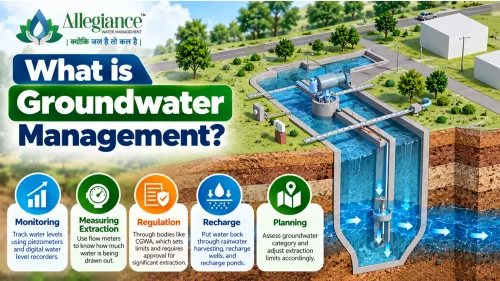
By accumulating rainwater, we reduce dependence on groundwater and surface water resources.
Benefits:
Permanent Solution:
In areas with sufficient rainfall but inadequate groundwater supply, rainwater harvesting offers a permanent solution.
Ideal for Hilly and Remote Areas: It’s particularly useful in hilly regions, where it can serve human consumption, animal needs, and farming.
Mitigates Water Shortages: Rainwater harvesting helps combat droughts, low crop yields, and water scarcity.
Eco-Conservation: As people become environmentally responsible, rainwater harvesting gains popularity.
Cost-Effective: It reduces reliance on expensive bottled water and minimizes pollution risks.
Securing Our Future:
The question of water security is critical worldwide.
Rainwater harvesting ensures a sustainable water supply, especially in regions with unpredictable rainfall.