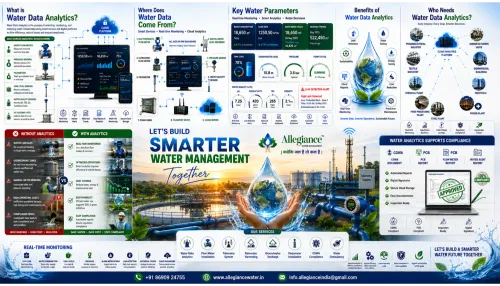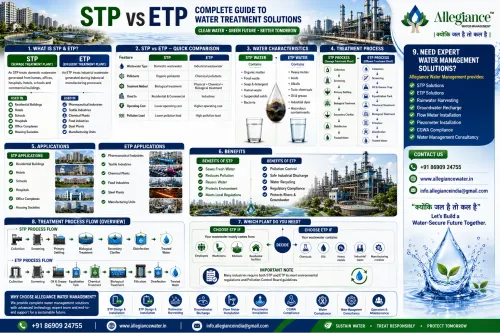


Groundwater Recharge by Allegiance Water Management™
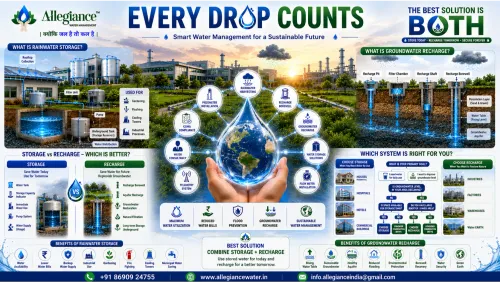
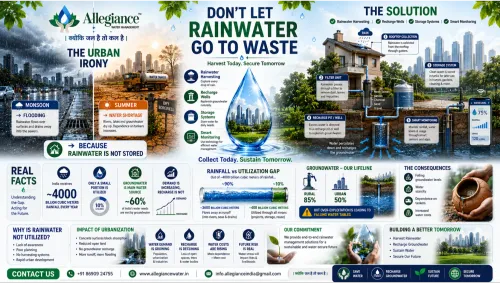
Groundwater recharge is the process of replenishing the water table or aquifers with water, typically through natural or artificial methods. It is essential for maintaining sustainable water supplies, especially in areas dependent on groundwater for irrigation, drinking, and industrial use. Allegiance Water Management™ provides cutting-edge solutions for groundwater recharge that enhance water conservation, improve water table levels, and promote sustainable water management.
What is Groundwater Recharge?
Groundwater recharge refers to the movement of water from the surface into underground reservoirs, or aquifers, either naturally through rainfall or artificially through human-made interventions. Recharge can occur in areas where water infiltrates through the soil, replenishing underground water sources and ensuring a stable water supply for various uses.
Methods of Groundwater Recharge
Allegiance Water Management™ uses various advanced methods for effective groundwater recharge:
1. Rainwater Harvesting
Description: Collecting and storing rainwater from rooftops, paved surfaces, and other catchment areas for direct infiltration into the ground.
Systems:
Recharge Wells
Percolation Pits
Rainwater Harvesting Systems
Benefits: Efficiently captures and directs rainwater to recharge groundwater supplies, especially during monsoon seasons.
Recharge Wells and Recharge Pits
Description: Creating artificial recharge wells or percolation pits designed to direct water into the ground, increasing infiltration rates into the water table.
Recharge Pits (constructed pits that collect rainwater or runoff and gradually percolate into the ground).
Check Dams and Nala (Stream) Recharging
Description: Construction of check dams, nala recharging systems, and small-scale barriers across streams to divert water into the ground.
Implementation: Water collected behind the dam infiltrates into the ground through the riverbed, leading to aquifer recharge.
Benefits: Enhances groundwater recharge in areas with seasonal streams or ephemeral rivers.
Borewell Recharge
Description: Recharging existing borewells to improve groundwater storage. Water is pumped into these wells, where it percolates down into the aquifers.
Implementation: Recharge pipes or tubes are inserted into borewells to divert surface water or treated rainwater into the underground water system.
Benefits: An effective way to revive dry borewells, improve water table levels, and provide additional water resources.
Percolation Tanks
Description: Large storage tanks designed to capture rainwater runoff and facilitate water percolation into the ground.
Implementation: Earth embankments or percolation basins are built to hold water for an extended period, allowing it to naturally percolate into the soil and recharge underground aquifers.
Benefits: Reduces water wastage, promotes sustainable agriculture, and helps in the long-term replenishment of groundwater supplies.
Artificial Recharge Structures
Description: Construction of artificial recharge systems such as trenches, ponds, and infiltration galleries that are designed to capture and infiltrate surface water.
Implementation: These structures are built in key areas where water naturally tends to accumulate and are designed to maximize water infiltration into the aquifer.
Benefits: Allows for faster recharge of underground water systems and is effective in areas with high water demands.
Benefits of Groundwater Recharge
Sustainable Water Supply: Recharging groundwater helps maintain a consistent and sustainable water supply for agriculture, industry, and drinking water, even during dry spells.
Prevents Water Table Depletion: Artificial recharge helps to prevent over-extraction of groundwater and ensures that aquifers remain full.
Improves Water Quality: Groundwater often has better quality than surface water and provides a clean source for consumption and irrigation.
Flood Prevention: Recharge systems like percolation tanks and check dams help reduce surface runoff, mitigating flood risks and erosion.
Increases Irrigation Potential: Farmers can rely on recharged groundwater for irrigation, especially in water-scarce regions.
Environmental Balance: Groundwater recharge supports eco-system sustainability, as it ensures healthy groundwater reserves that maintain natural vegetation and wildlife habitats.
Why Choose Allegiance Water Management™ for Groundwater Recharge?
At Allegiance Water Management™, we provide comprehensive groundwater recharge solutions tailored to your needs. Here’s why our services stand out:
Expert Consultation: We analyze your land’s hydrology and suggest the most efficient and effective recharge methods.
Customized Solutions: From rainwater harvesting systems to borewell recharge, we offer a wide range of systems tailored to your specific requirements.
Eco-Friendly Practices: Our systems are designed to promote sustainable water use, reduce runoff, and minimize the environmental impact.
Long-Term Benefits: Our solutions ensure consistent groundwater replenishment, enhancing the long-term water security of your area.
Innovative Technologies: We employ cutting-edge technology and best practices to provide the most efficient and cost-effective recharge solutions.
End-to-End Service: We handle everything from site assessment, design, and installation to maintenance of recharge systems.
Contact Allegiance Water Management™ Today!
Ready to improve your groundwater recharge systems? Let us help you restore the health and sustainability of your water resources.
📱 Contact Us:
🌐 Visit Us: www.allegianceindia.com