
Water harvesting is a vital practice for promoting sustainability, ensuring water availability, and reducing dependency on external water sources.
Below are several techniques for sustainable water
harvesting:
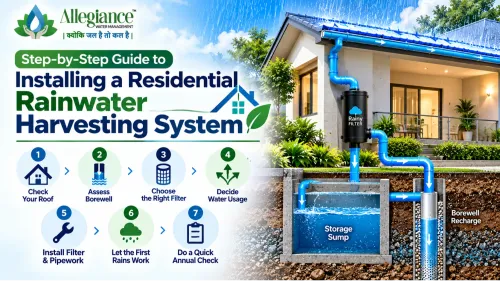
1. Rooftop Rainwater Harvesting (RRWH)
- Description:
Collecting rainwater from rooftops and directing it into storage tanks or
recharge pits.
- Benefits:
Reduces water bills, mitigates urban flooding, and supplements domestic
water needs.
- Usage:
Common in urban and semi-urban areas.
2. Check Dams
- Description:
Small barriers constructed across streams to slow water flow and allow
infiltration into the ground.
- Benefits:
Increases groundwater levels, prevents soil erosion, and supports
agriculture.
- Usage:
Popular in rural and semi-arid regions.
3. Percolation Ponds
- Description:
Excavated ponds designed to collect surface runoff and allow water to
percolate into the ground.
- Benefits:
Recharge groundwater and improve soil moisture.
- Usage:
Suitable for large areas in agricultural lands.
4. Recharge Wells
- Description:
Wells used to directly channel water into aquifers, bypassing surface
layers.
- Benefits:
Replenishes depleted groundwater quickly.
- Usage:
Effective in areas with declining water tables.
5. Contour Bunding
- Description:
Building bunds along the contours of slopes to trap water and reduce
surface runoff.
- Benefits:
Prevents soil erosion and promotes water infiltration.
- Usage:
Common in hilly or sloping terrains.
6. Underground Tanks and Cisterns
- Description:
Subterranean storage tanks for rainwater collection.
- Benefits:
Saves space, reduces evaporation, and provides a reliable water source.
- Usage:
Urban and rural areas with limited space.
7. Urban Green Infrastructure
- Description:
Features like bioswales, permeable pavements, and rain gardens to manage
stormwater naturally.
- Benefits:
Reduces urban flooding, recharges groundwater, and enhances greenery.
- Usage:
Urban and metropolitan areas.
8. Farm Ponds
- Description:
Small reservoirs dug on agricultural land to store water for irrigation.
- Benefits:
Reduces dependency on monsoon and provides water during dry spells.
- Usage:
Common in agricultural areas.
10. Water Retention Landscapes
- Description:
Design of landscapes that naturally slow, store, and filter water using
swales, ponds, and terraces.
- Benefits:
Enhances groundwater recharge and soil fertility.
- Usage: Effective in degraded or semi-arid regions.