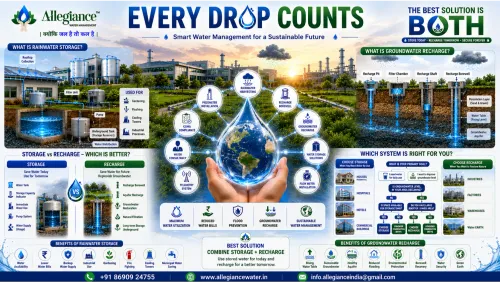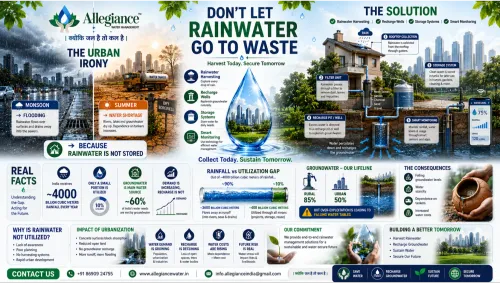


Rainwater harvesting is the practice of collecting and storing rainwater rather than allowing it to run off. Here are some key points about rainwater harvesting:
Collection Process: Rainwater is typically collected from roof-like surfaces (such as rooftops) and redirected to storage systems. These storage systems can include tanks, cisterns, deep pits (wells, shafts, or boreholes), aquifers, or reservoirs. The goal is to allow the rainwater to seep down and replenish groundwater levels.
Uses:
Domestic Use: Rooftop rainwater harvesting provides water for drinking, domestic purposes, livestock, and small-scale irrigation.
Agriculture: In urban areas, rainwater harvesting reduces the impact of runoff and flooding. Combining urban green rooftops with rainwater catchments can also help regulate building temperatures.
Groundwater Recharge: Harvested rainwater can be committed to longer-term storage or used to recharge groundwater.