

Rain water harvesting
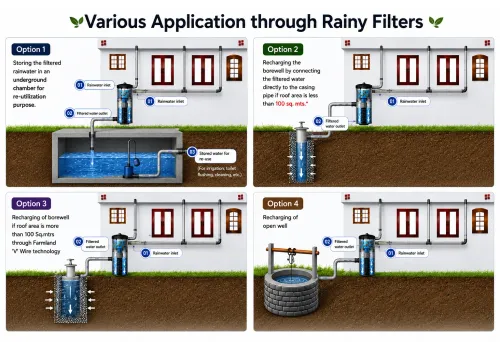
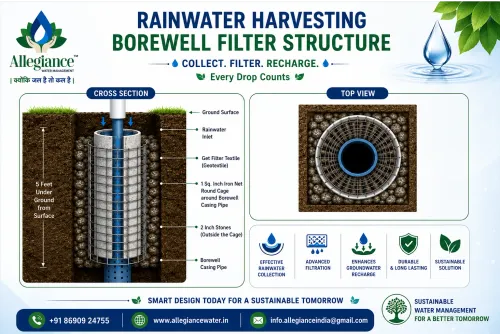
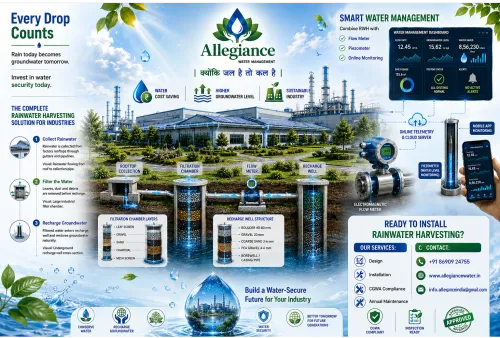
Rainwater harvesting through injection wells is a method used to recharge groundwater sources and replenish the water table. This technique involves directing runoff rainwater into a silt trap through a channel, which then passes through multiple filtration media before being stored in a specially designed storage well. The process helps in conserving water and mitigating the effects of groundwater depletion.
In India, there are specific guidelines and recommendations for rainwater harvesting structures, including injection wells. For instance, in industrial areas, it’s suggested to use recharge pits, recharge trenches, or surface storage ponds, and to avoid the ‘Recharge Well/Injection Well’ method due to potential contamination risks1.
However, technologies like the ‘V-wire injection well’ are used to effectively recharge groundwater, especially in areas with granitic soils where surface harvesting pits may not be as effective. The Rain max Injection Well System is one such example, which is particularly beneficial in regions with shallow aquifers.
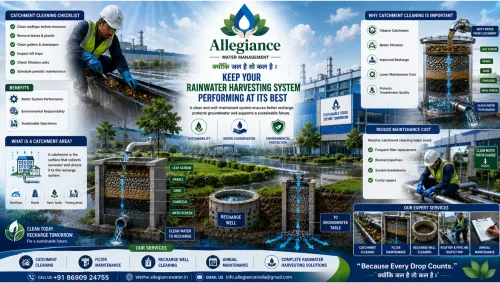
It’s important to note that the maintenance of these structures is crucial for their long-term effectiveness and safety. Regular cleaning and monitoring are necessary to ensure that the recharge process is efficient and does not introduce contaminants into the groundwater
For More Details Contac Us
+91 8690924755 & +91 9408425896