

Rain Water Harvesting
Rainwater harvesting is a crucial Practice for conserving water and replenishing groundwater resources.
Purpose and Importance:
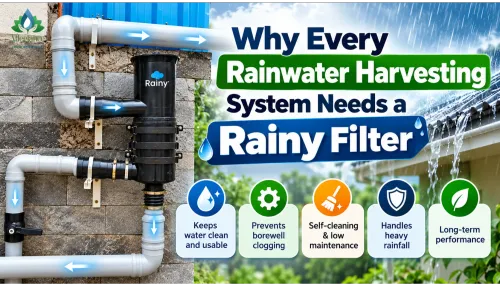
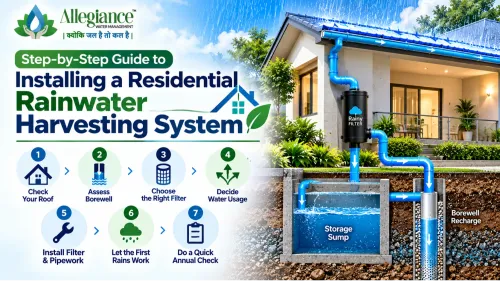
Rainwater harvesting involves collecting and storing rainwater before it becomes surface runoff or evaporates.
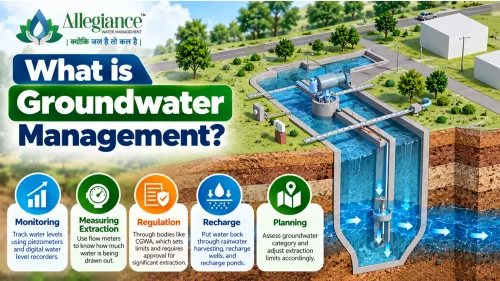
By capturing rainwater, we can recharge groundwater aquifers and enhance the water table.
This practice contributes to sustainable water management and helps meet our water needs.
Guidelines for Rainwater Harvesting Along National Highways:
The Ministry of Road Transport & Highways (MoRTH) has issued guidelines for rainwater harvesting along national highways.
These guidelines aim to improve the groundwater table and create additional water storage.
The circular issued on September 3, 2019, emphasizes the implementation of rainwater harvesting systems1.
Here are the key points:
Consultant’s Role:
Consultants working on highway projects should identify suitable locations for rainwater harvesting and artificial recharging.
These locations should be included in the draft and final Detailed Project Reports (DPRs).
Design Considerations:
The design of rainwater harvesting structures (such as recharge shafts) should consider rainfall intensity and geological conditions.
Guidelines from the Central Ground Water Board can be used while finalizing the design.
Implementation:
Rainwater harvesting and artificial recharging systems should be incorporated into various structures along the highway corridor.
Toll plaza buildings, wayside amenities, and grade-separated structures should all include rainwater harvesting provisions.
Details of these structures must be included in the project schedule (Schedule C).
Contractors and Concessionaires:
Contractors and concessionaires must ensure the provision of rainwater harvesting arrangements.
Before issuing completion certificates, executing agencies should verify the implementation of rainwater harvesting and artificial recharging systems.
Local Adaptations:
Different regions may have specific guidelines and adaptations for rainwater harvesting.
For example, in Delhi, buildings with basements can adopt rainwater harvesting through storage tanks, diverting rainwater from rooftops to recharge structures2.
Similarly, in Karnataka, the capacity of storage structures or artificial recharge systems is determined based on the roof area, with a provision of at least 20 liters per square meter3.
Overall Impact:
Rainwater harvesting contributes to sustainable water management, reduces dependence on external water sources, and supports ecological balance.
By implementing these practices, we can collectively enhance our water resources and mitigate water scarcity.
For More Details Contac Us