
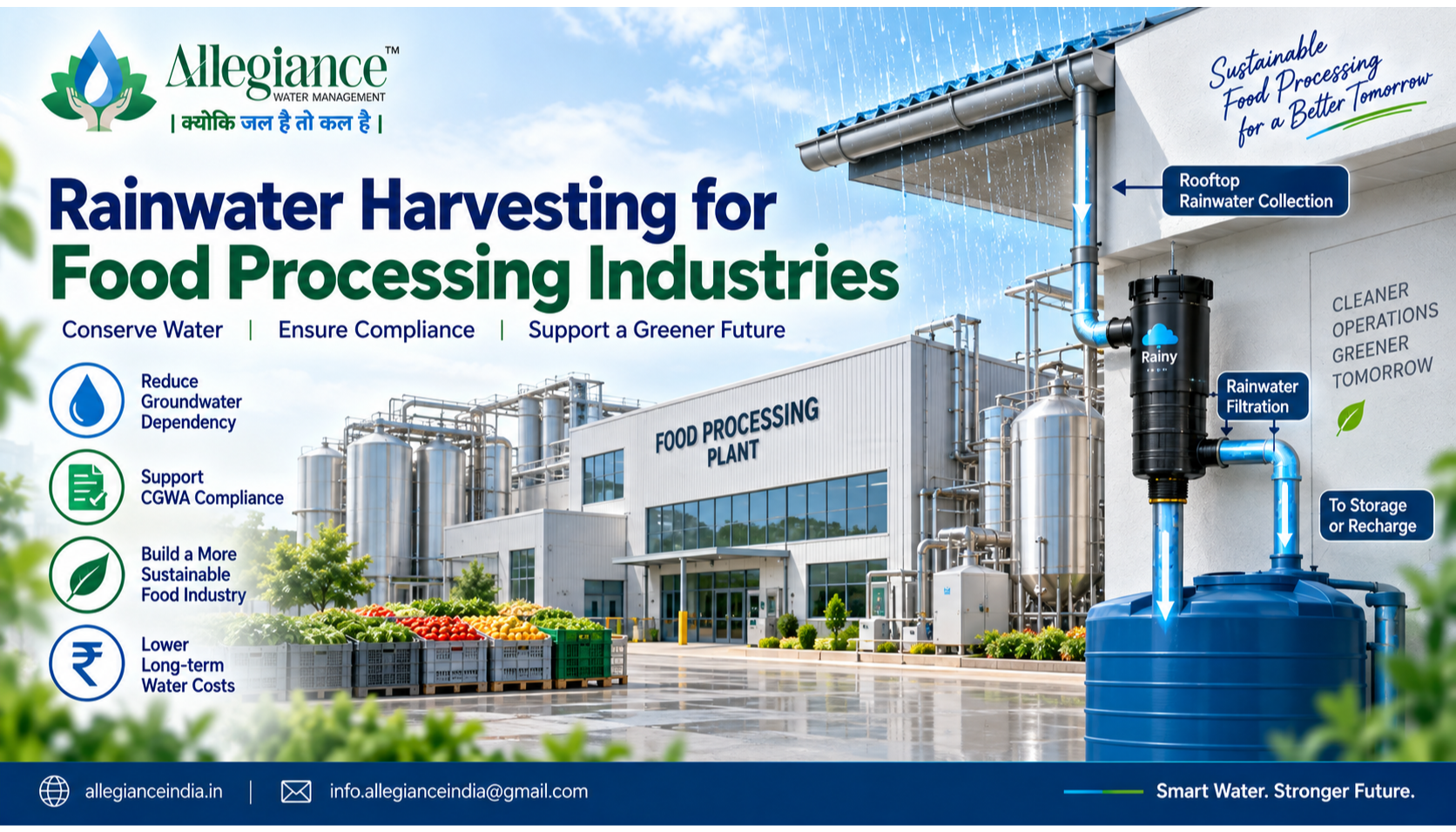
Food processing plants rely on
a constant, dependable water supply for washing, cooling, sanitation, and
utility operations. Rainwater harvesting for food processing industries
offers a practical way to reduce groundwater dependency for non-critical needs
while supporting CGWA compliance and sustainability goals. This guide explains
how food processing facilities can implement rainwater harvesting the right
way.
Why Water Conservation Matters in Food Processing
Food processing units use
significant volumes of water for cleaning equipment, cooling systems, boiler
feed, sanitation, and facility washdown, in addition to potable-grade water
used in direct product contact. Since these facilities typically draw large
volumes of groundwater, they fall within CGWA's regulatory scope and are
expected to demonstrate active conservation measures, including rooftop
rainwater harvesting, as part of NOC applications and renewals.
Where Harvested Rainwater Fits in a Food Processing Plant
Given the strict food safety and
hygiene standards that govern water used in direct product contact, rainwater
harvesting is best applied to non-critical, non-contact water needs within the
facility. Suitable applications include:
•
Cooling tower make-up water for refrigeration and
utility systems
•
Exterior facility washdown, floor cleaning, and yard
maintenance outside processing zones
•
Boiler feed water, following appropriate softening and
treatment
•
Landscaping, gardening, and green belt irrigation
within the premises
•
Groundwater recharge through borewells, recharge wells,
or recharge ponds
Where harvested rainwater is intended for any water that
contacts food products, it must first be treated through appropriate systems,
such as an Industrial RO plant or water softener, and meet applicable food
safety and potable water quality standards before use.
How the System Works
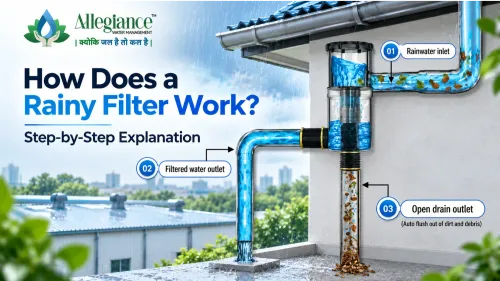
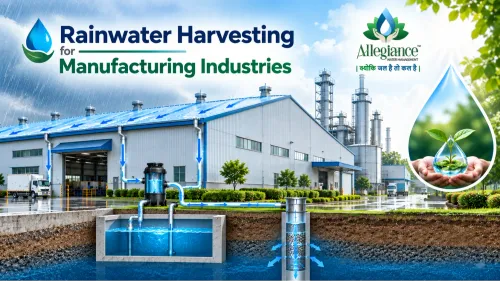
Rainwater collected from food
processing plant rooftops is directed through downpipes into a rainwater filter
that removes dirt and debris before the water is stored or recharged. Depending
on the facility layout and roof area, food processing units typically apply one
or more of these methods:
•
Storing filtered rainwater in underground sumps for
reuse in cooling, cleaning, and utility systems
•
Recharging the borewell by connecting filtered water
directly to the casing pipe
•
Recharging the borewell through V-wire technology for
roof areas exceeding 100 square metres
•
Diverting water to a dedicated recharge well or
recharge pond for larger processing campuses
Filtration Standards Suited to Food Facilities
Given the hygiene-conscious
environment of food processing plants, the filtration equipment used on-site
should reflect similar standards of build quality. Key features include:
•
Self-cleaning dual intensity filter for continuous,
low-maintenance operation
•
SS-304 multi-surface, food-grade filter elements
•
Filtration efficiency above 90 percent
•
UV-treated high-density polyethylene housing for
long-term outdoor durability
•
Gravity-powered operation requiring no electricity
Supporting CGWA Compliance and Sustainability
Food processing companies are
increasingly assessed on both regulatory compliance and sustainability
performance by retailers, export markets, and certification bodies. A
documented rainwater harvesting system, supported by a geohydrological survey
and regular maintenance records, strengthens CGWA NOC applications and renewals
while supporting sustainability claims that matter to food industry buyers and
auditors.
Benefits for Food Processing Facilities
•
Reduces dependency on groundwater for non-contact
utility and cooling needs
•
Supports CGWA clearance and long-term NOC compliance
•
Recharges aquifers around food processing clusters
facing high seasonal extraction demand
•
Lowers long-term water procurement costs, especially
during peak production seasons
•
Strengthens sustainability credentials valued by
retailers and export buyers
Planning Implementation
A rainwater harvesting project
for a food processing plant should begin with a feasibility survey covering
roof area, existing groundwater infrastructure, and site topography, followed
by a geohydrological survey to guide recharge system design. Working closely
with the facility's quality and food safety teams ensures harvested rainwater
is directed only to appropriate use points, keeping it fully separate from
potable and product-contact water systems.
Conclusion
Rainwater harvesting gives food
processing industries a practical way to conserve water, support CGWA
compliance, and strengthen sustainability credentials, all while respecting the
strict hygiene standards that govern food-contact water. With the right filtration
and recharge design, unused rooftop rainfall can become a genuine asset for a
plant's utility and cooling operations.
Contact Us
Phone: 9574198769
Email: info.allegianceindia@gmail.com
Website: www.allegianceindia.in